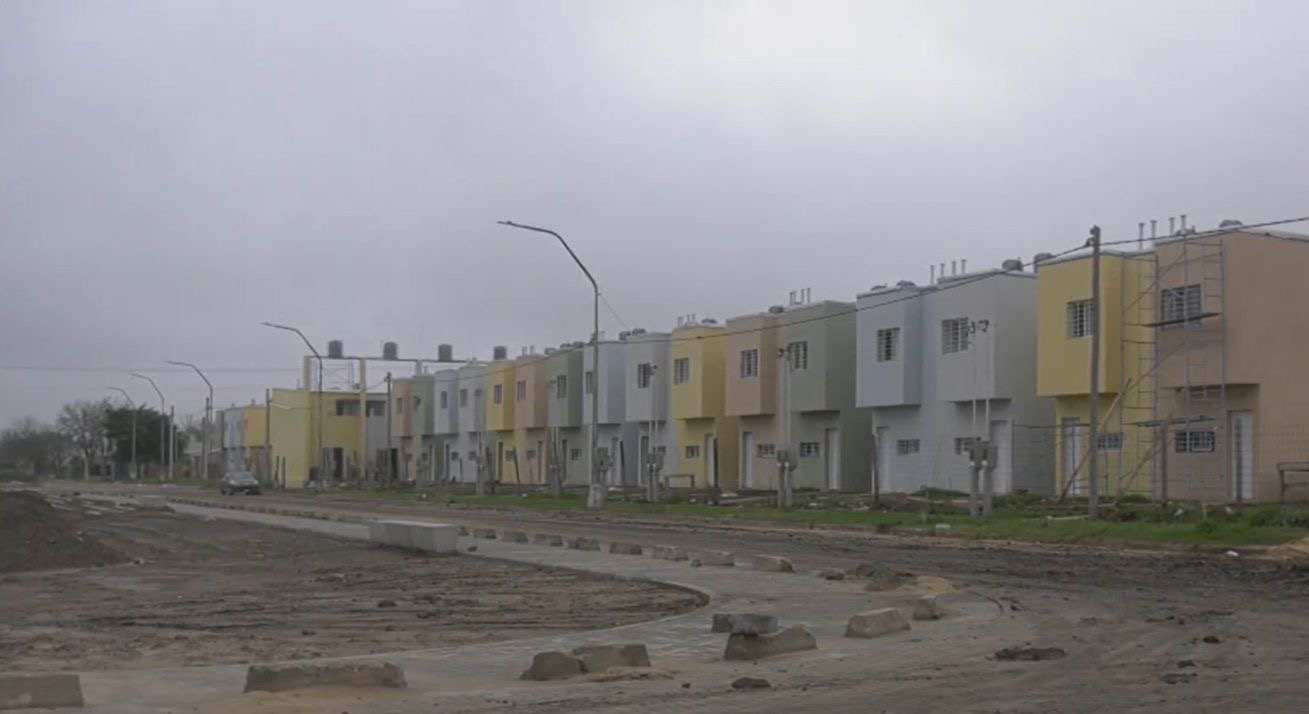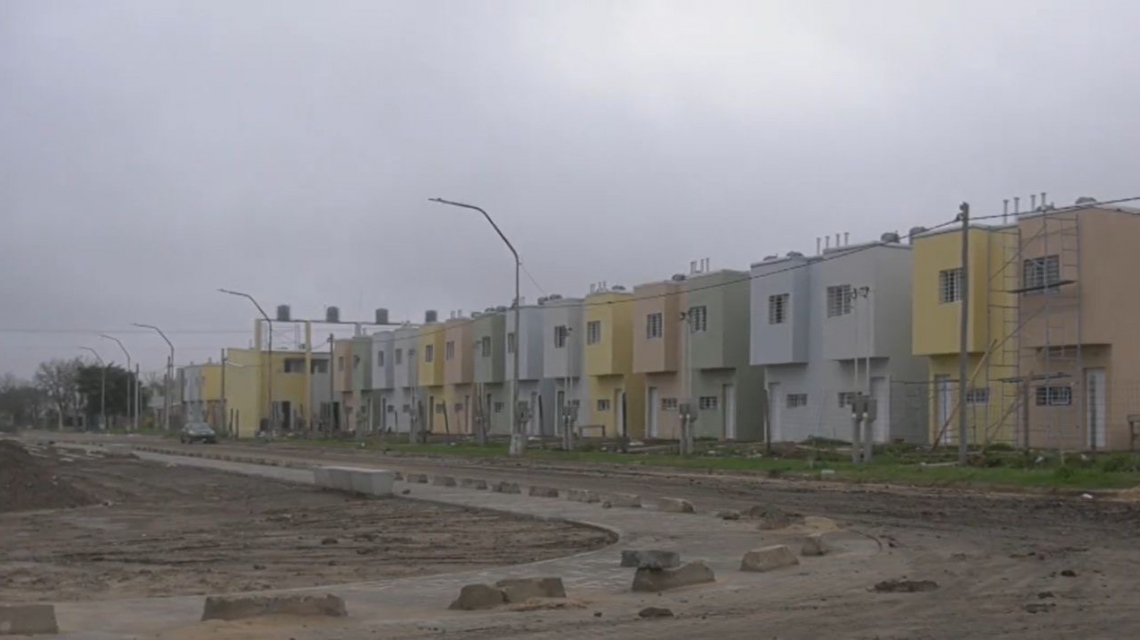
Following a decision by Governor Maximiliano Pullaro, the Government of Santa Fe has revived a stalled housing project in the Esmeralda Este II neighbourhood of the provincial capital. The site will become one of three villages housing athletes for the 13th South American Games 2026, held from 12 to 26 September, with the other two located in Rosario and Rafaela.
The complex comprises 346 homes, with capacity to accommodate 1,380 athletes. Once the competition is over, the properties will be allocated by lottery to families from Santa Fe, thereby consolidating one of the event’s key social legacies.
Located on a site near French Avenue, the South American Athletes’ Village consists of semi-detached houses equipped with all utilities and urban infrastructure. The provincial investment exceeds 21,000 million pesos.
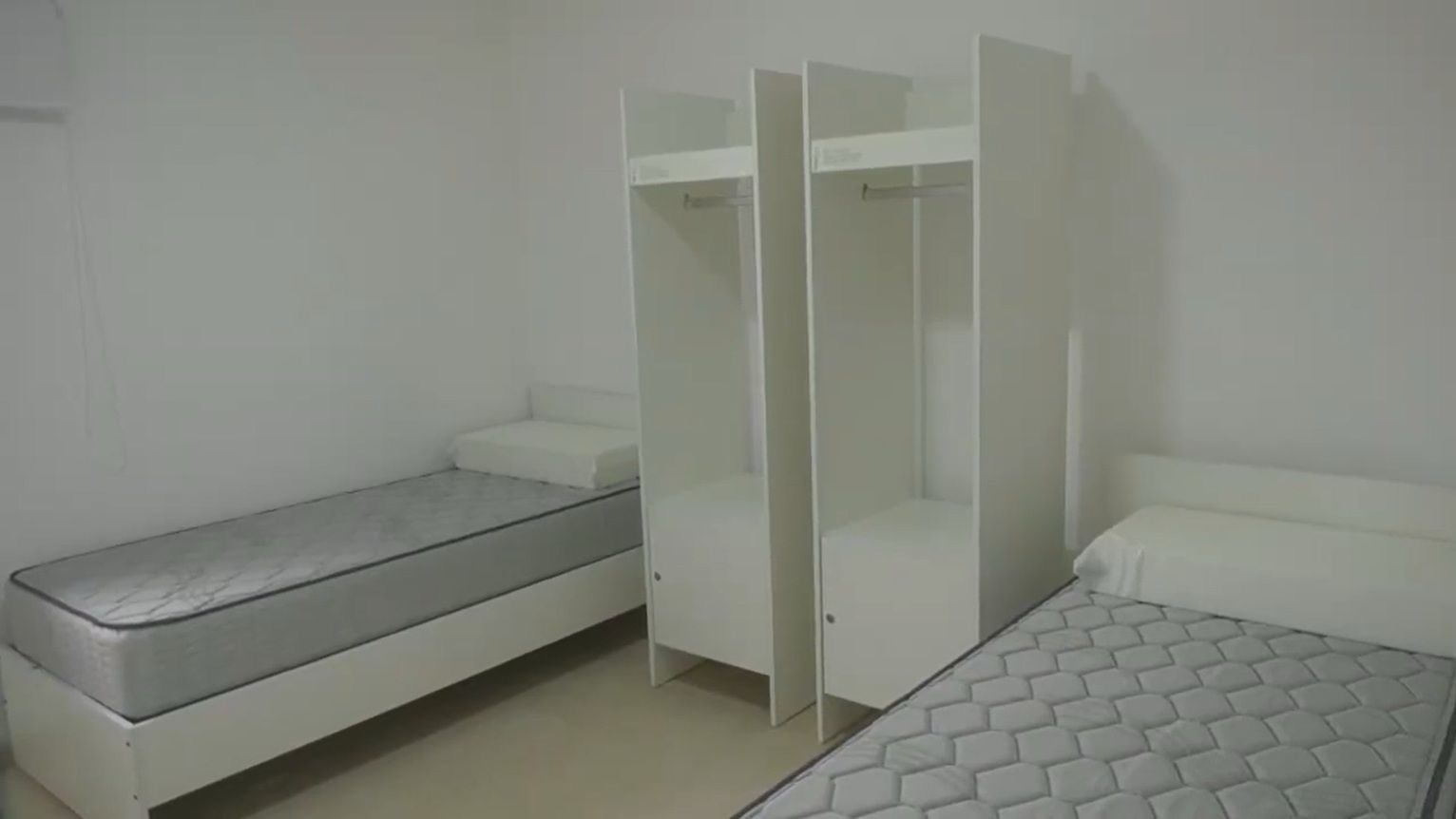
The deputy director of the Villa Suramericana, José Citroni, emphasised that the project went far beyond simply completing a housing scheme. “As well as completing the homes, we had to lay paving, install lighting, create public spaces and urban infrastructure, and adapt the site to function as a sports village during the Games,” he explained.
Full neighbourhood regeneration
Citroni recalled that the project began with construction work barely 30 per cent complete and a run-down urban environment.
“We also regenerated an area with small rubbish dumps, dirt roads and poor infrastructure. Today, the neighbourhood has passable roads, street lighting and renovated public spaces – a transformation that will remain after the Games,” he summarised.
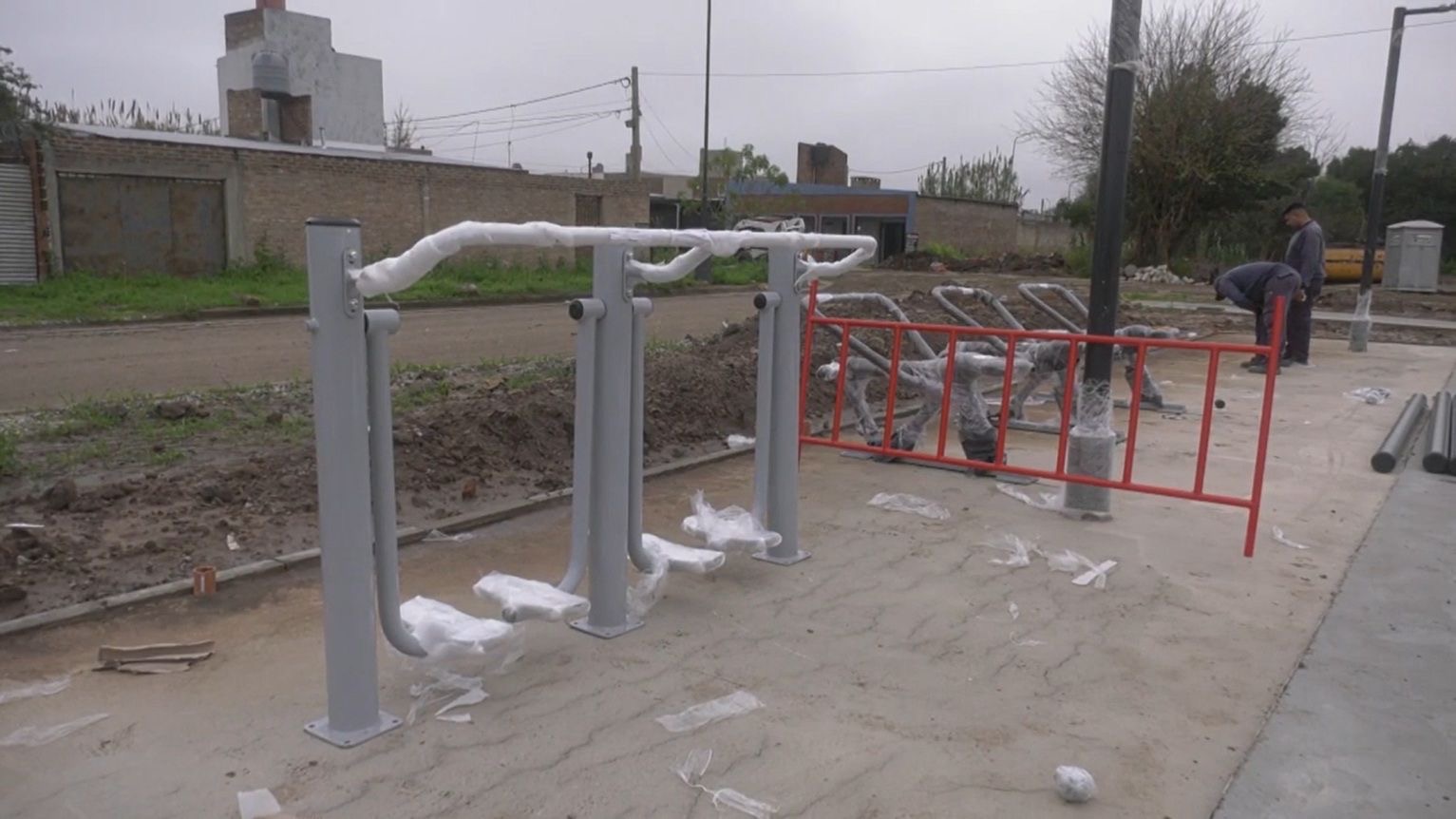
This change is also appreciated by local residents. Osvaldo, a resident of Esmeralda Este II, said, “Before, this was a rubbish dump, with no street lighting or sewers. Today, the improvement in quality of life is enormous, and the arrival of the athletes will be very important for the whole city.”
How the South American Village will operate
The complex is in the final stages of preparation to welcome the sports delegations.
During the Games, access to the site will be restricted and it will be divided into an international area, for delegations, family members and the press, and a residential area where the athletes will be accommodated.
In addition to the accommodation, it will feature a canteen serving around 600 people per sitting, a gym, a medical centre, a laundry, a mini-market, recreational areas, personal services and a transport system linking the village to the competition venues.
It will also accommodate students from the UTN
Following the South American Games and prior to the allocation of the accommodation, the complex will host, from 6 to 12 October, more than 1,500 students from various regional faculties of the National Technological University (UTN), as part of the Technological Sports Games.
The event will be made possible thanks to an agreement between the provincial government and the UTN, which will see the revival of a university competition that has not been held for several years.
High-quality homes
The homes were built with a reinforced concrete structure, brickwork, galvanised sheet metal roofing and ceramic flooring, and come in five different layouts, all designed according to the same construction standards, with utilities and infrastructure to ensure their continued use once the sporting event has ended.
“They are duplex homes measuring between 55 and 60 square metres, with two bedrooms on the upper floor, two bathrooms – one of which is a toilet on the ground floor – a kitchen, a utility room and a combined living and dining area. All are connected to drinking water, sewerage and electricity,” explained Citroni.
The windows and doors combine sheet metal, aluminium and wood depending on their location, whilst the finishes include textured exterior cladding, interior latex paint, synthetic enamel on metalwork and ceramic tiles in kitchens and bathrooms.
The project also involved the construction of pavements, accessible ramps and tactile paving, as well as the installation of street furniture such as benches, tables, cycle racks, litter bins, bollards and exercise stations.
Furthermore, green spaces were restored through afforestation, the laying of turf and the planting of new plant species, and a comprehensive public lighting system was installed, comprising both road and pedestrian lighting.
In total, the Government of Santa Fe is investing over 90 million dollars in infrastructure linked to the 13th South American Games 2026. The funding includes a US$75 million loan granted by CAF – the Development Bank of Latin America and the Caribbean – supplemented by contributions from the provincial Treasury.